The Velvet Notebook Signature Edition – A Perfect Day in Bath
Morning unfolds in Bath with the gentle hum of Georgian streets waking to life. Pale honey-coloured stone glows softly under the first light, and the air carries a quiet expectancy that feels both historic and intimate. Begin your day at Quiet Street Coffee, where the chatter of locals mingles with the hiss of the espresso machine. This beloved café, nestled just off Queen Square, serves coffee so perfectly balanced it could only belong to a city known for harmony in design. The walls, often hung with local art, reflect Bath’s creative soul—a nod to the artisans who have shaped it for centuries.

Step out into the crisp air and wander toward Milsom Street, where the blend of elegance and ease defines the city’s rhythm. Bath has always been a place of balance—Romans once came here to restore the body, while 18th-century aristocrats sought to refresh the spirit. Even now, the pace is unhurried, encouraging you to notice the details: the faint scent of warm bread drifting from The Ivy Bath Brasserie, the swirl of architectural curves that lead your eyes upward to grand cornices, and the way every street seems to turn like the page of a story you don’t want to end. Pause for breakfast here—eggs perfectly poached, coffee rich and dark, sunlight spilling through tall Georgian windows like liquid gold.
Bath’s beauty has always rested in its restraint—a city that whispers rather than shouts. As you meander past the Circus, the elegant sweep of The Circus, Bath—laid out by John Wood the Elder—encircles you. Each façade mirrors the next, and yet hidden symbols—acorns, serpents, and ancient masks—remind the observant visitor that beneath Bath’s composure lies a deep well of mythology. It is said the city’s healing springs were discovered by Prince Bladud, who watched his leprous pigs miraculously cured by the muddy waters. Whether legend or truth, the idea of renewal still seems to linger in every stone.
Just beyond the Circus, step into Sam Wilson Studio, a treasure trove of hand-printed textiles inspired by the English countryside. The studio embodies Bath’s modern charm—craftsmanship rooted in tradition yet alive with new creativity. Take a moment to run your fingers across the fabric, appreciating the texture that recalls fields, ferns and the rolling landscape beyond the city walls.
From here, let the scent of sugar lead you to Fudge Kitchen, where confectioners stir copper pots by hand. Watching the fudge cool on marble slabs feels almost meditative—a modern echo of the city’s slower rhythms. A piece of salted caramel—warm and melting—tastes like pure nostalgia.
Continue through the cobbled lanes toward the triumph of Georgian ambition: The Royal Crescent. Built between 1767 and 1774 and designed by John Wood the Younger, this sweeping arc of 30 terraced houses is one of the greatest examples of Georgian architecture in the United Kingdom. The façade faces a broad lawn and retains its stately ionic columns—114 of them, each nearly 30″ in diameter and 47 ft in height. Pause on the turf below and breathe—it’s the same skyline that Jane Austen’s characters once admired, the same vista aristocrats once strolled upon. While many only glance at the façade, look for the hidden ha-ha wall—an elegant retaining wall built to separate the public park from the private lawns without obstructing the view.
Lunch is best enjoyed at The Circus Restaurant, a place beloved by Bath locals for its understated brilliance. The menu celebrates seasonality: roasted beetroot, local trout, and soft, herb-flecked risottos. Everything here feels deliberate—from the way light falls on the wooden tables to the quiet hum of conversation. There’s no rush; Bath rewards those who linger.

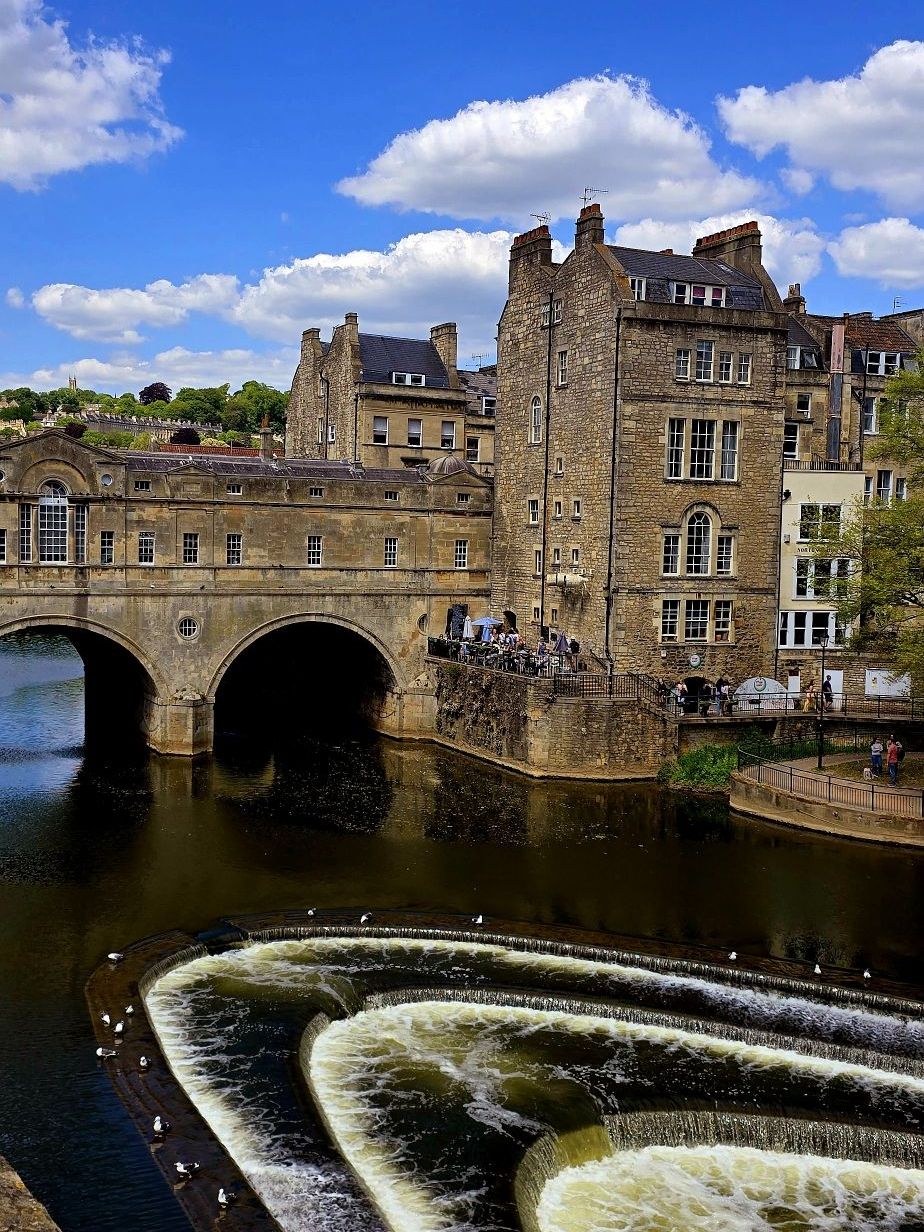
After lunch, turn toward the River Avon and cross Pulteney Bridge—one of the most photographed spots in Bath, and a true architectural curiosity. Designed by Robert Adam and completed around 1774, it connects Bath to the Bathwick estate of the Pulteney family. It is one of only four or so bridges in the world to have shops across its full span on both sides. Take time to pause mid-span and look down at the weir—its horseshoe shape was crafted as much for visual drama as for practical flood-control.
From the bridge’s vantage you’ll see the river turning, barges drifting past the curved façade of a Georgian town that seems carved out of a fairy-tale.
Just before you leave Pulteney Bridge, look for a small wooden cart tucked near the stone balustrade — a tiny lemonade stand that locals swear makes the freshest drink in Bath. The lemonade is pressed to order from Sicilian lemons, poured into chilled glass bottles, and topped with sprigs of mint from a nearby allotment. It’s simplicity itself — tart, bright, and reviving — and tastes best sipped as you lean against the bridge’s edge, watching sunlight ripple across the River Avon below.
Continue upstream, savour the light on the water, pause at the small tearoom overlooking the stretch, and rest awhile.
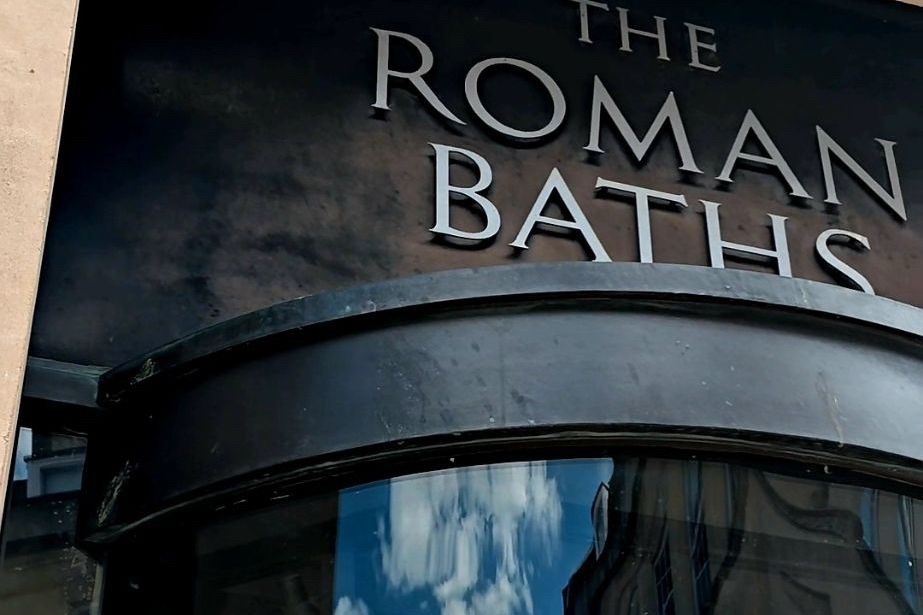
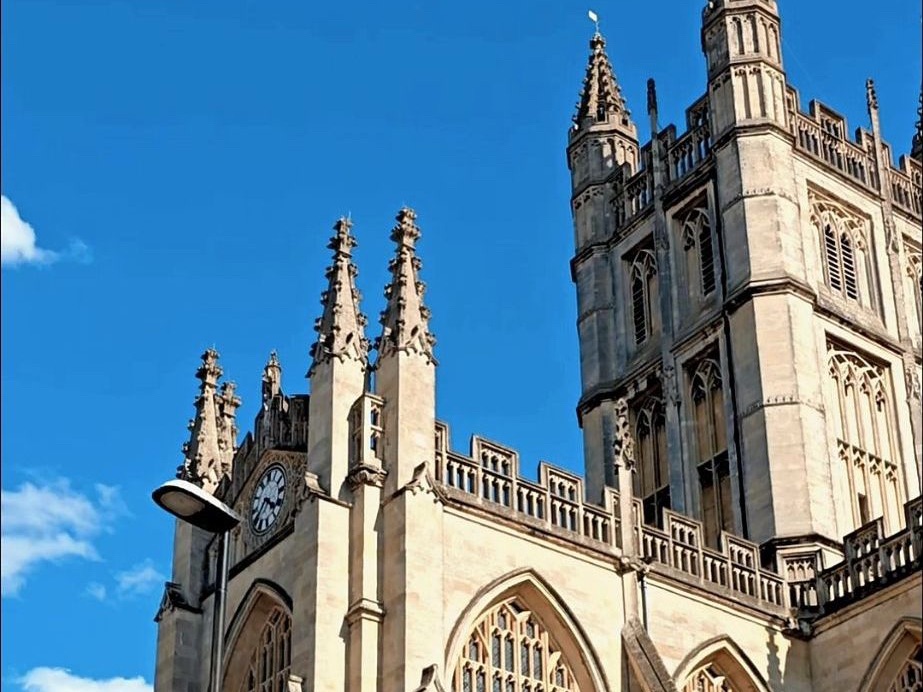
As afternoon arrives, step into the modern and ancient all at once at the Thermae Bath Spa—the modern incarnation of the Roman baths. Floating in the rooftop pool as steam rises into the open sky, you glimpse the Abbey spires and feel the weight of history beneath your feet. The Romans called this place Aquae Sulis, dedicating it to the goddess of wisdom. Even now, there’s a sacred calm that seeps into the bones.
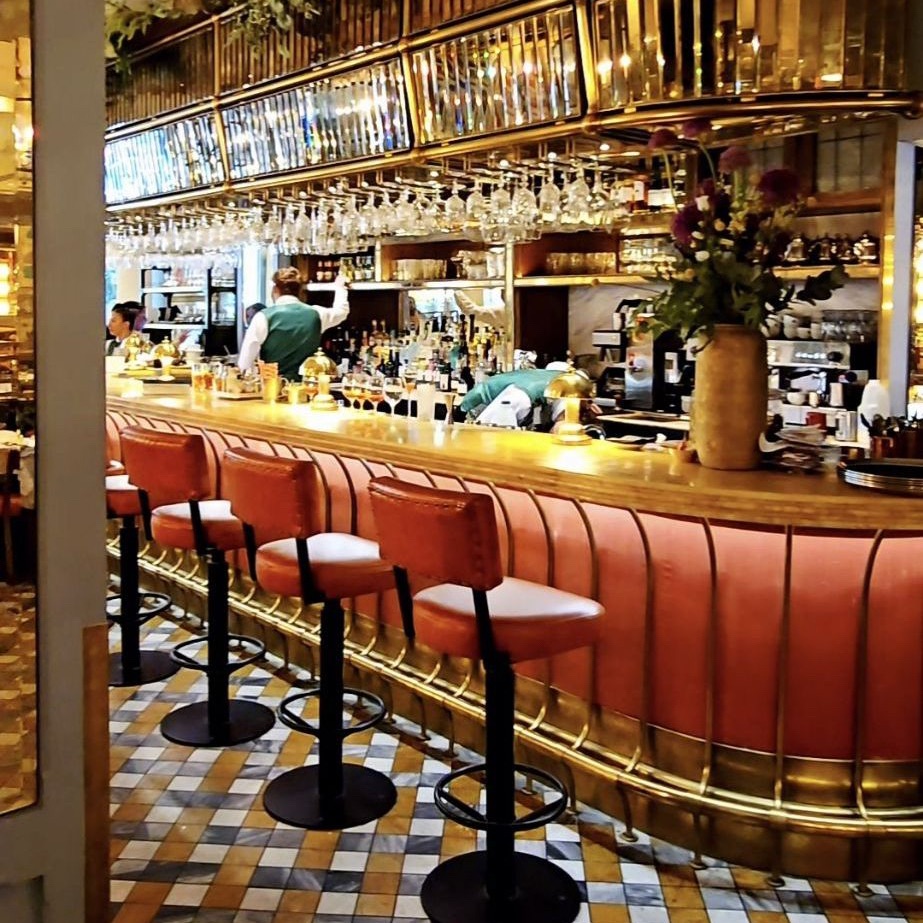
Evening invites you back into the heart of the city. Stroll toward The Yard, a refined wine bar tucked behind Bartlett Street. Its candlelit courtyard hums softly with conversation—the kind of place where hours slip by unnoticed. Or perhaps reserve a table again at The Ivy Bath Brasserie for dinner; as day turns to night, chandeliers cast a warm gold over everything, and the sound of clinking glasses feels like a gentle toast to the city itself.
Fans of Bridgerton will already recognise Bath’s honeyed streets as the elegant backdrop for the show’s glittering Regency world. Though the series is set in London, much of it was filmed here — the city’s Georgian perfection lending itself effortlessly to the drama of the ton. The sweeping Royal Crescent stood in for London’s Grosvenor Square, while The Holburne Museum, at the end of Great Pulteney Street, transformed into Lady Danbury’s lavish residence. Abbey Green, with its cobbled square and ancient plane tree, doubled as a bustling market scene. Even No. 1 Royal Crescent, now a museum recreating 18th-century domestic life, appeared in the series and offers visitors a glimpse into the interiors that inspired Bridgerton’s ballrooms. Stroll through these streets at dusk, when gas lamps flicker to life and carriages still occasionally rattle over the cobblestones, and it’s easy to imagine the rustle of silk gowns and the murmur of polite intrigue echoing from behind shuttered windows.
If You Stay Overnight
There is no better indulgence than a night spent within Bath’s honeyed walls. Choose to check in at The Gainsborough Bath Spa, where you can soak in thermal waters drawn directly from the city’s ancient springs—an experience once reserved for Roman emperors. For Georgian grandeur, stay at The Royal Crescent Hotel & Spa—its façade part of Bath’s architectural crown, its service as refined as its pillars. And if your style leans toward the whimsical, No.15 by GuestHouse enchants with artful interiors and playful details—a boutique hotel that feels like stepping into a dream.
Wake to the sound of Bath beginning again: the clink of cups, the rustle of newspapers, the promise of another perfect day.
Transport, Proximity & Hidden Gems
Getting around Bath is effortlessly walkable—its compact centre gleams in early morning light, and every landmark lies within a parseable stroll of the next. However, if you wish to venture beyond the city:
Hidden café perch: Up a narrow stair behind Pulteney Bridge you’ll find a modest tearoom overlooking the weir—perfect for an afternoon coffee while the water rushes beneath your feet.
Hidden gem tip: Before motor traffic, many of Bath’s grand facades were built to protect the inhabitants’ hats from the wind—so the houses on the left side of the Crescent acted as windbreaks.
Little-known fact: the façade of the Royal Crescent you’ll find subtle differences—a change in the sandstone colour marks where the original build ended and later extensions began. Also, that private lawn in front of the Crescent is separated from the public park by a ha-ha—effectively a sunken wall allowing unobstructed views while preventing livestock from wandering in.
Literary digression: Jane Austen lived in Bath between 1801 and 1806; the city served as setting for two of her novels — Northanger Abbey and Persuasion. But her feelings about the place were ambivalent—by some accounts she described it as “the most tiresome place in the world” after six weeks. Visit the houses she occupied (4 Sydney Place, 25 Gay Street) and the exhibition at the Jane Austen Centre to understand how the city influenced her wit and sharp social commentary.
Insider tip: Arrive early (before 9 am) at the Royal Crescent for a serene photo without crowds. Then wander into the adjacent Royal Victoria Park for a coffee and watch hot-air balloons rising on the horizon.
For dinner within walking distance late at night: Consider the back-streets behind Bartlett Street where bars and wine lounges cocoon in Georgian courtyards—perfect for an after-dinner drink far from tourist clusters.
From Bath to the Cotswolds: the distance is approximately 65 miles (about 1h 25m by road) or by combination of train and taxi/bus. If you don’t have a car, note that direct public-transport links are limited: trips may require changes and waiting times. For a guided experience, several day-tour operators from Bath will take you into Cotswold villages such as Castle Combe.

 thevelvetnotebook.com
Leave a comment