TVN: Paris — A Neighbourhood Guide of the best things to do.
Paris unfolds in a spiral of 20 arrondissements, beginning at the Seine and expanding outward like the shell of a snail or nautilus. This notebook does not attempt to cover them all. Instead it focuses on the neighbourhoods where a visitor might most naturally wander — the districts filled with museums, cafés, gardens and streets that reward curiosity. Like any notebook, it remains open to future pages.
Many visitors attempt to experience Paris by monument — moving from landmark to landmark. The more effective approach is to explore Paris neighbourhood by neighbourhood. Each arrondissement carries its own architecture, pace and atmosphere: formal royal gardens, medieval streets, literary cafés and discreet residential districts. Below is a curated Velvet Notebook guide to experiencing Paris arrondissement by arrondissement, with historical context, addresses and practical visiting advice.
1st Arrondissement
Historic Precision & Parisian Heritage
The 1st arrondissement forms the historic centre of Paris. Once the seat of royal power, the district contains former palaces, formal gardens and some of the city’s most recognisable cultural institutions. The architecture is precise and monumental – pale limestone façades, arcaded courtyards and broad formal squares.
Louvre Museum
Address: Rue de Rivoli, 75001 Paris
Opening hours: 9:00–18:00 (closed Tuesdays)
Late opening Wednesdays and Fridays until 21:45
Best time to visit: Arrive at opening (9:00) or visit during late evening openings when crowds decrease. Allow at least three hours for a focused visit.
The Louvre began as a medieval fortress in the 12th century before becoming the principal residence of French kings.
After the French Revolution, it opened as a public museum in 1793 and now holds more than 35,000 works on display.
Key areas include:
Denon Wing – Renaissance masters including Leonardo da Vinci and Caravaggio.
Richelieu Wing – sculpture and decorative arts.
Napoleon III Apartments – restored imperial interiors from the Second Empire
If time is limited at the Louvre Museum, these ten works and galleries provide an excellent introduction to the museum. The Louvre is divided into three main wings — Denon, Sully and Richelieu — so knowing the location of each piece helps plan a more efficient visit.
1. Mona Lisa
Painted by Leonardo da Vinci between 1503 and 1519 and widely considered the most famous portrait in the world.
Location: Denon Wing — Level 1, Room 711.
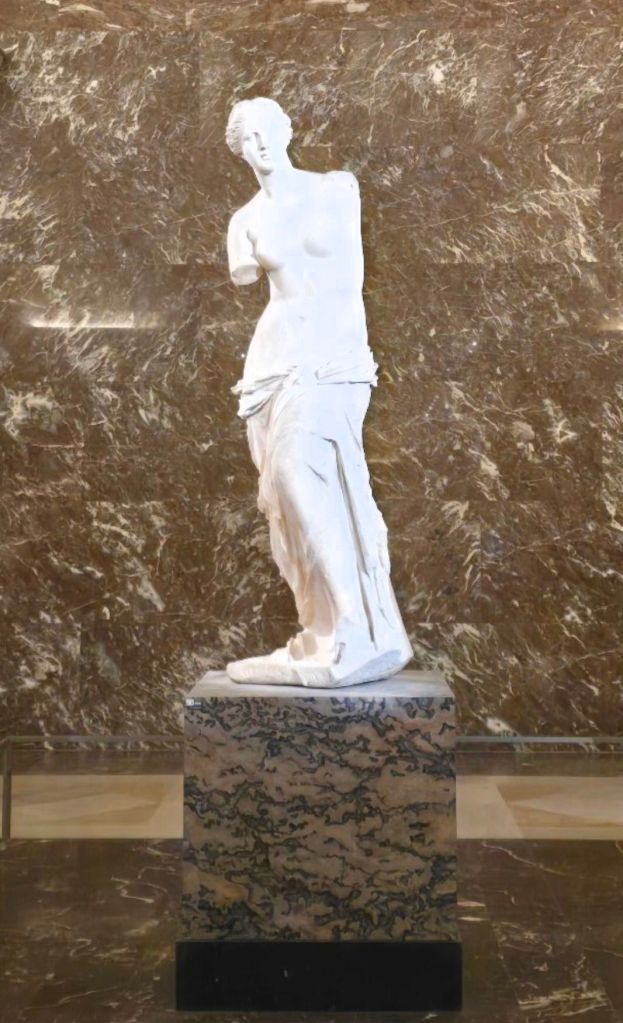
2. Venus de Milo
A marble sculpture of Aphrodite dating from around 130–100 BC, discovered on the island of Milos in 1820.
Location: Sully Wing — Ground Floor, Room 345.
3. Winged Victory of Samothrace
A dramatic Hellenistic sculpture of Nike, the Greek goddess of victory, positioned at the top of the museum’s grand staircase.
Location: Denon Wing — Daru Staircase, Level 1.
4. Liberty Leading the People
A powerful Romantic painting commemorating the July Revolution of 1830 in France.
Location: Denon Wing — Level 1, Room 700.
5. The Coronation of Napoleon
A monumental depiction of Napoleon Bonaparte crowning himself in Notre-Dame Cathedral in 1804.
Location: Denon Wing — Level 1, Room 702.
6. The Raft of the Medusa
A dramatic Romantic painting depicting survivors of the wreck of the French naval frigate Méduse in 1816.
Location: Denon Wing — Level 1, Room 700.
7. The Wedding Feast at Cana
A vast Renaissance masterpiece illustrating the biblical miracle of water turned into wine.
Location: Denon Wing — Level 1, Room 711 (opposite the Mona Lisa).
8. Napoleon III Apartments
Lavish Second Empire interiors filled with chandeliers, velvet and gilded decoration illustrating the opulence of 19th-century imperial France.
Location: Richelieu Wing — Level 1.
9. Great Sphinx of Tanis
One of the largest Egyptian sphinx sculptures outside Egypt, carved in granite during the Middle Kingdom period.
Location: Sully Wing — Ground Floor, Room 338.
10. Louvre Pyramid
The modern glass pyramid designed by I. M. Pei opened in 1989 and now serves as the museum’s main entrance.
Location: Cour Napoléon courtyard.
Velvet Notebook Tip
If you want the most efficient route, start in the Denon Wing, where many of the Louvre’s most famous works are located. From there you can continue into the Sully Wing for classical antiquities and finish in the Richelieu Wing with the Napoleon III Apartments.
Jardin des Tuileries
Address: Place de la Concorde – Rue de Rivoli, 75001 Paris
Opening hours: Daily approximately 7:00 – 21:00 (seasonal variations).
Best time to visit: Late afternoon between 17:00–19:00 when the gardens fill with golden light.
Designed in the 17th century by landscape architect André Le Nôtre — the same designer responsible for Versailles — the gardens extend nearly one kilometre between the Louvre and Place de la Concorde. Visitors sit in the iconic green metal chairs around the fountains while tree-lined paths stretch toward the Seine.
Rows of green metal chairs circle the fountains. They appear casually placed, but Parisians treat them with remarkable strategic precision when choosing the best sunlight.
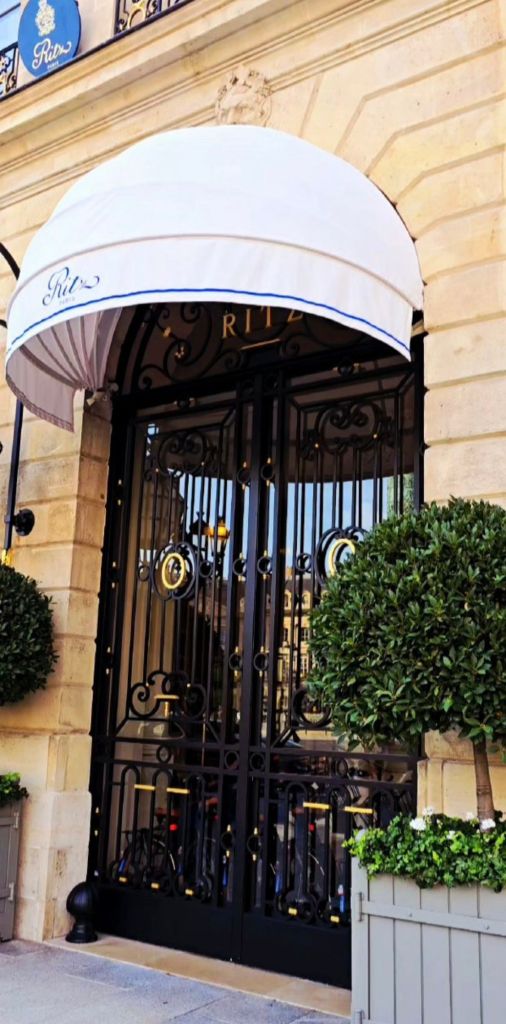
The Ritz Paris
Address: 15 Place Vendôme, 75001 Paris
Opened in 1898 by hotelier César Ritz, the Ritz Paris quickly became synonymous with European luxury hospitality. The hotel has hosted an extraordinary list of guests including Ernest Hemingway, Coco Chanel, Marcel Proust and F. Scott Fitzgerald. Coco Chanel famously lived at the hotel for more than three decades. The Ritz has welcomed writers, aristocrats and film stars for more than a century. It remains one of the few places where ordering a cocktail before dinner still feels like an entirely reasonable life decision.
Bar Hemingway: A small wood-panelled cocktail bar named after Ernest Hemingway.
Best time to visit: Arrive before 18:00 opening as the bar has very limited seating.
During the Liberation of Paris in 1944, Hemingway reportedly arrived at the bar with Allied soldiers and ordered champagne for everyone present.
Afternoon Tea — Salon Proust: Served daily approximately 14:00–18:00. Afternoon tea includes classic French pastries and seasonal desserts served in a Belle Époque salon inspired by the writer Marcel Proust.
Palais Royal
Address: 8 Rue de Montpensier, 75001 Paris
Best time to visit: Early morning before 9:00.
Originally built for Cardinal Richelieu in the 17th century, the Palais Royal later became an important political gathering place during the French Revolution. The courtyard contains the contemporary Colonnes de Buren, installed in 1986. The surrounding arcades house independent boutiques and cafés.
Notable Stores — Rue Saint-Honoré
The street running through the 1st arrondissement is one of the most refined shopping areas in Paris. Notable boutiques include:
Goyard:
Address: 233 Rue Saint-Honoré
A heritage trunk maker founded in 1853 known for its hand-painted chevron canvas.
Hermès
Address: 24 Rue du Faubourg Saint-Honoré
Founded in 1837, Hermès began as a harness workshop for European aristocracy.
Best time to visit these boutiques: 10:00–11:30 before crowds arrive.
4th Arrondissement
Notre-Dame Cathedral
Address: 6 Parvis Notre-Dame – Place Jean-Paul II, 75004 Paris.
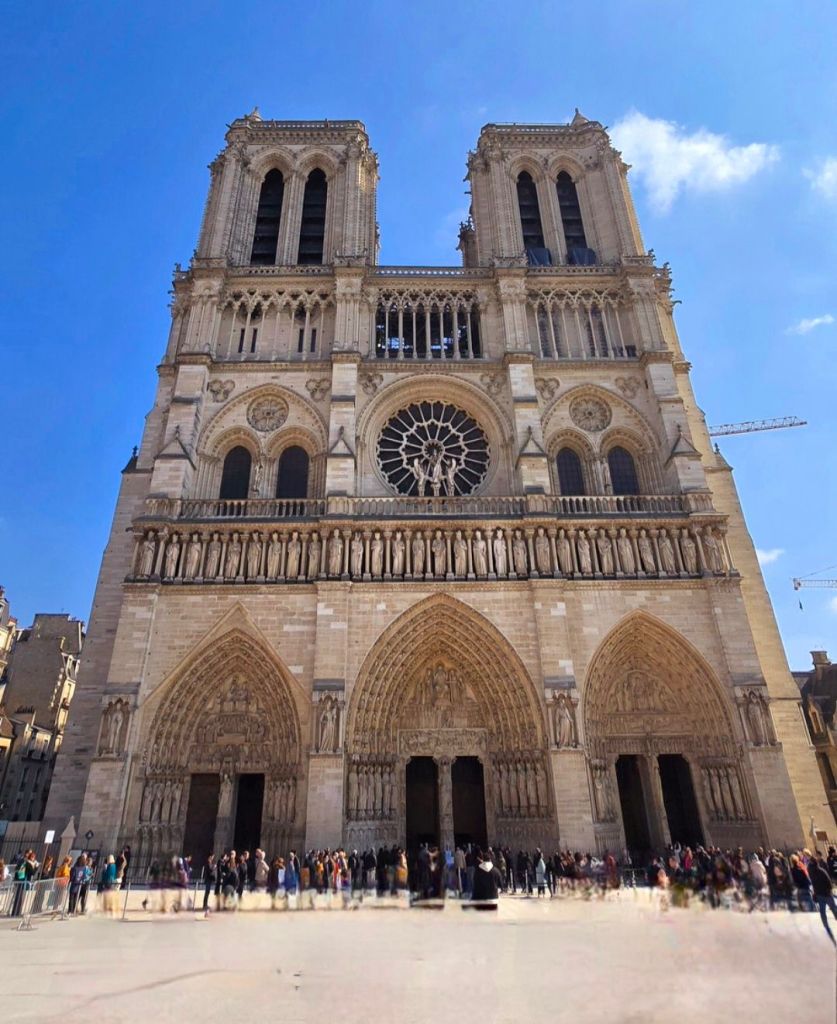
Located on Île de la Cité, Notre-Dame Cathedral stands at the historic heart of the city and forms one of the most important landmarks within the 4th arrondissement of Paris. Construction began in 1163 under Bishop Maurice de Sully and continued for nearly two centuries, with the cathedral largely completed by 1345. Built in the Gothic architectural style, Notre-Dame introduced structural innovations such as flying buttresses, which allowed walls to rise higher and incorporate vast stained-glass windows.
The cathedral’s most celebrated features include its three medieval rose windows, the rib-vaulted nave rising approximately 35 metres, and the sculpted western façade with its twin towers reaching 69 metres above the square.
Throughout its history Notre-Dame has hosted major national events. In 1804, Napoleon Bonaparte crowned himself Emperor of France here in the presence of Pope Pius VII. The cathedral later became a symbol of French cultural heritage partly through The Hunchback of Notre-Dame by Victor Hugo, whose novel helped inspire a major 19th-century restoration led by architect Eugène Viollet-le-Duc.
On 15 April 2019, a fire severely damaged the cathedral’s roof and spire. An extensive restoration project began immediately with the aim of rebuilding the structure using traditional craftsmanship wherever possible. The reconstruction includes the reinstatement of Viollet-le-Duc’s 19th-century spire.
Notre-Dame occupies Parvis Notre-Dame, the broad square facing the Seine. The space allows visitors to fully appreciate the cathedral’s scale and Gothic detailing. Behind the cathedral lies Square Jean XXIII, a quiet garden that offers one of the best views of the cathedral’s dramatic flying buttresses.
Best Time to Visit:
Morning: 8:00–10:00 provides the quietest atmosphere around the cathedral square.
Late Afternoon: The limestone façade takes on a warm golden tone in the soft evening light.
Le Marais — Historic & Cultural Paris
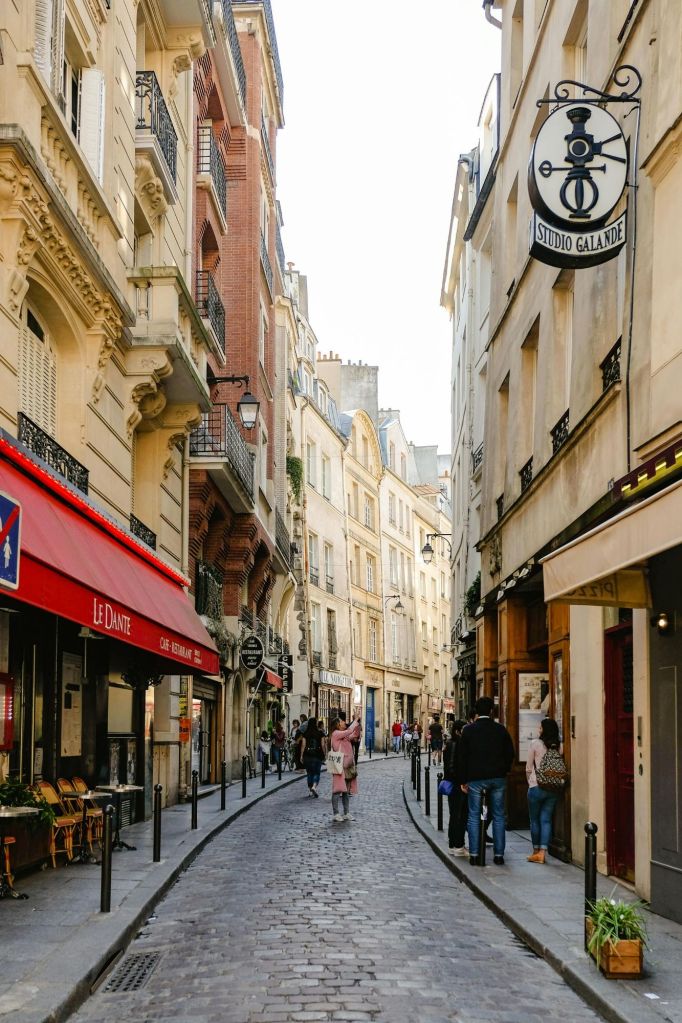
The Marais is one of the oldest districts in Paris and retains its medieval street pattern.
Historic mansions known as hôtels particuliers sit behind heavy wooden doors, while small galleries, bakeries and independent boutiques line the narrow streets.
Place des Vosges
Address: Place des Vosges, 75004 Paris
Opening hours: Garden approximately 8:00–19:00
Constructed between 1605 and 1612, it is the oldest planned square in Paris. Uniform red brick buildings with slate roofs frame a central garden surrounded by arcades.
Maison de Victor Hugo
Address: 6 Place des Vosges
The author Victor Hugo lived here from 1832 to 1848. His former apartment is now a museum dedicated to his life and work.
Stores in the Marais:
Merci Concept Store
Address: 111 Boulevard Beaumarchais, 75003 Paris
Opening hours: 10:00–19:00
Merci combines fashion, design objects and books across multiple floors of a historic building. The courtyard entrance with the red Fiat 500 has become a recognisable feature of the store.
Diptyque
Address: 34 Boulevard Saint-Germain.
Founded in 1961, known for luxury candles and perfumes.
A.P.C
Address: 112 Rue Vieille du Temple.
A minimalist Parisian fashion label known for refined basics.
Best time to explore the Marais shops – late morning 11:00–13:00.
6th Arrondissement
Saint-Germain-des-Prés — Intellectual Paris
Saint-Germain became the intellectual centre of Paris after the Second World War.Philosophers Jean-Paul Sartre and Simone de Beauvoir were regulars in the neighbourhood’s cafés.
Jardin du Luxembourg
Address: Rue de Médicis – Rue de Vaugirard, 75006 Paris.
Opening hours: 7:30am – dusk
Located in the 6th arrondissement of Paris, the Jardin du Luxembourg is one of the most elegant and historically significant green spaces in the city. The gardens extend across approximately 25 hectares (61 acres) and surround the Luxembourg Palace, which today houses the French Senate. Created in the early 17th century for Marie de’ Medici, the gardens combine formal French landscaping with orchards and sculpture. They are also an excellent place to sit with a book and briefly consider becoming Parisian. Children still sail traditional wooden boats on the central pond.
The most atmospheric corner of the gardens is the Medici Fountain, a long shaded water feature tucked beneath chestnut trees.
Constructed in the 17th century, the fountain was designed to evoke Italian Renaissance garden architecture. The gardens contain more than one hundred statues, including figures representing French queens and notable women in French history.
Best Time to Visit:
Morning: 8:00–10:00 offers the quietest atmosphere and soft light across the palace façade.
Late Afternoon: 17:00–19:00 when Parisians gather in the chairs around the basin.
Autumn: The chestnut and plane trees turn golden, creating one of the most beautiful seasonal scenes in Paris.
Café de Flore
Address: 172 Boulevard Saint-Germain
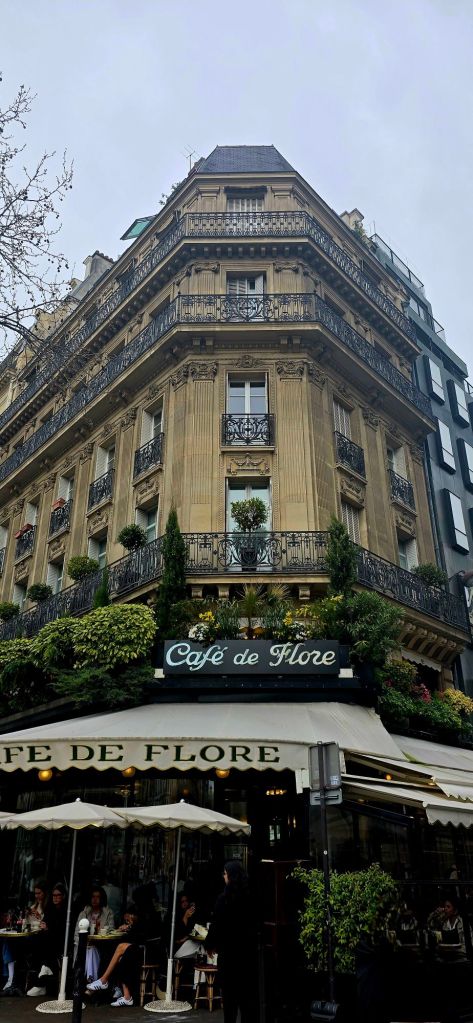
One of the most famous cafés in Paris, Café de Flore sits at the corner of Boulevard Saint-Germain and Rue Saint-Benoît in the Saint-Germain-des-Prés district. It opened in the late 19th century during the French Third Republic, with the name “Flore” referring to the Roman goddess of flowers.For more than a century, the café has been closely associated with the artistic and intellectual life of Paris. Writers, philosophers and artists gathered here to debate ideas, write manuscripts and observe the passing life of the Left Bank. The interior remains largely unchanged and retains its classic Art Deco design.Outside, rattan chairs line the pavement terrace along Boulevard Saint-Germain, making it one of the best places in the neighbourhood for people-watching.
Signature Food & Drinks
Croque-Monsieur: A toasted ham and cheese sandwich often served with salad.
Croque-Madame: A variation topped with a fried egg.
Club Sandwich: A layered sandwich with chicken, egg, lettuce and tomato on toasted bread — one of the café’s most famous dishes.
Hot Chocolate (Chocolat Chaud): Served thick and rich, often accompanied by whipped cream.
Café Crème: A classic Parisian breakfast coffee similar to a cappuccino.
Breakfast here: coffee, croissant and people-watching remains one of the most authentic ways to experience Saint-Germain.
Founded in the late 19th century. Famous regulars included Jean-Paul Sartre, Simone de Beauvoir, Ernest Hemingway and Pablo Picasso. The café became closely associated with the existentialist movement, with Sartre and Beauvoir often working here for hours at a time
Best time to visit:
Breakfast: 8:00–9:30
Late afternoon aperitif: 17:00–19:00
Les Deux Magots
Address: 6 Place Saint-Germain-des-Prés
Established in 1885 and known for the Prix des Deux Magots literary prize. The terrace remains one of the best places for observing daily Parisian life. Located directly opposite Café de Flore, Les Deux Magots is another legendary café of Saint-Germain-des-Prés.
The name refers to two Chinese merchant statues (“magots”) that still sit above the interior dining room. The café opened in 1884, originally evolving from a drapery shop before becoming a literary café. For over a century, it has been associated with writers, artists and philosophers.
Les Deux Magots has a classic Paris brasserie atmosphere with g reen awnings and a large terrace, traditional café seating.
Inside, the two decorative statues that gave the café its name overlook the dining room. The terrace is particularly popular because it faces the historic Saint-Germain-des-Prés church, one of the oldest churches in Paris.
Les Deux Magots created the Prix des Deux Magots in 1933, a literary award given annually to a French novel. The prize was established as an alternative to more traditional literary awards and continues to be presented today.
Signature Food & Drinks
The menu reflects traditional French brasserie cooking. Popular dishes include:
Beef Tartare: Raw minced beef seasoned with capers, herbs and mustard.
Foie Gras: Often served with toasted brioche and fruit compote.
Hot Chocolate: The café is also known for thick hot chocolate and pastries, often enjoyed during afternoon breaks.
Best Time to Visit:
Breakfast: 8:30–10:00
Lunch terrace: 12:00–14:00
Evening drinks: 18:00–20:00
Stores to look out for:
Le Bon Marché
Address: 24 Rue de Sèvres
Founded in 1852, it is considered the first modern department store in the world. Its gourmet food hall, La Grande Épicerie, is one of the finest food stores in Paris.
La Grande Épicerie de Paris
Address: 38 Rue de Sèvres.
A renowned gourmet food hall offering French cheeses, pastries and specialty ingredients.
7th Arrondissement – beyond the Eiffel Tower
While the Eiffel Tower dominates the skyline, the 7th arrondissement of Paris is one of the most refined neighbourhoods in the city. The district is known for embassy buildings, elegant residential streets, market shops and several of Paris’ finest museums.
Exploring the area reveals a quieter side of Paris — one defined by food markets, classic bistros and garden museums rather than major tourist crowds.
Eiffel Tower
Address: Champ de Mars, 5 Avenue Anatole France, 75007 Paris.
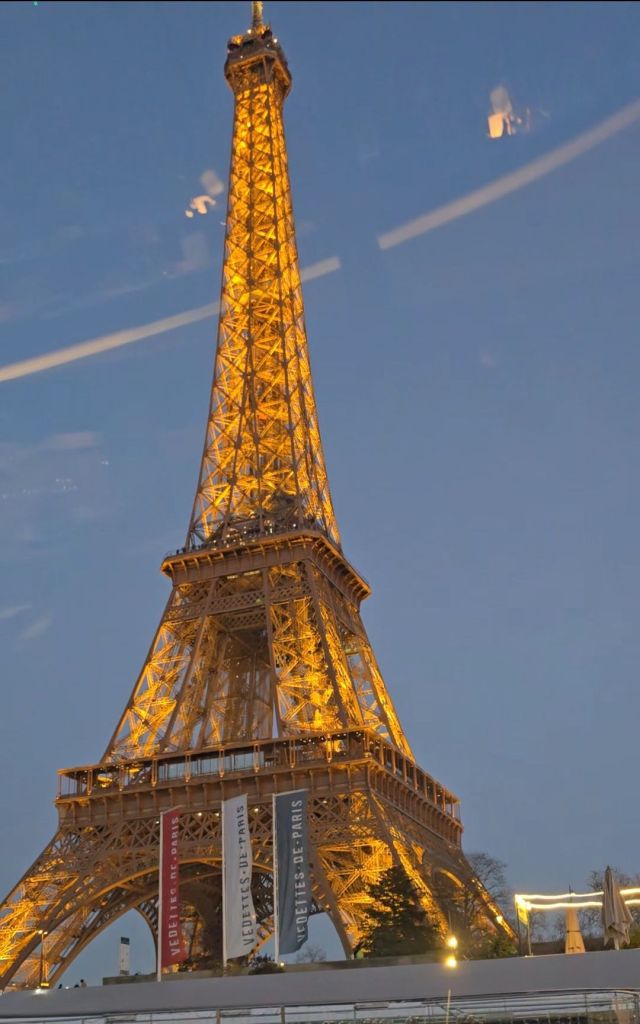
Constructed for the 1889 Exposition Universelle, the tower was designed by engineer Gustave Eiffel. Originally standing 300 metres, the tower now reaches 330 metres including antennas. It remained the tallest structure in the world until the Chrysler Building was completed in 1930.
The structure contains 18,038 iron components joined by over 2.5 million rivets.
Visiting Levels:
First floor — exhibits and glass floor
Second floor — best views for photography
Summit — Gustave Eiffel’s reconstructed office. In that office Eiffel famously hosted inventor Thomas Edison.
Best time to visit: Early morning or after 20:00. The tower sparkles for five minutes at the start of each hour after dark.
Rue Cler — Parisian Market Street
75007 Paris
Rue Cler is a short pedestrian market street located between Champ de Mars and the École Militaire. The street is lined with traditional food shops including bakeries, cheese stores, fishmongers and wine merchants. Typical stops include:
• Davoli – Italian deli selling cheeses, cured meats and prepared dishes
• Fromagerie Griffon – specialising in regional French cheeses
• La Sablaise – known for fresh seafood and terrines
Best time to visit: Morning between 9:00 and 11:00, when locals shop for lunch ingredients.
La Fontaine de Mars
129 Rue Saint-Dominique, 75007 Paris
Founded in 1908, this traditional Parisian bistro specialises in dishes from southwestern France, particularly the region of Gascony.
Signature dishes include:
• duck confit
• cassoulet
• foie gras
The restaurant has long been popular with journalists and politicians working nearby.
Best time to visit: Lunch between 12:00–13:00 or dinner reservations after 19:30.
Café du Marché
38 Rue Cler, 75007 Paris
Located in the centre of Rue Cler, Café du Marché is a casual neighbourhood restaurant with outdoor seating facing the pedestrian street. The menu focuses on classic French brasserie dishes such as:
• steak frites
• salads and omelettes
• daily lunch specials
Best time to visit: Lunch service around 12:00–14:00, particularly pleasant on the terrace during warmer months.
Musée Rodin
77 Rue de Varenne, 75007 Paris
The museum is housed in the Hôtel Biron, an 18th-century mansion where sculptor Auguste Rodin once worked. The collection includes many of Rodin’s most famous works, including:
• The Thinker
• The Gates of Hell
The sculpture garden surrounding the mansion is particularly beautiful and allows visitors to see the works outdoors among lawns and rose gardens.
Best time to visit: Morning 10:00–11:30 or late afternoon.
Musée d’Orsay
1 Rue de la Légion d’Honneur, 75007 Paris
Housed in the former Gare d’Orsay railway station, built for the 1900 Exposition Universelle, the museum contains the world’s largest collection of Impressionist and Post-Impressionist art. Artists represented include:
• Claude Monet
• Edgar Degas
• Vincent van Gogh
• Pierre-Auguste Renoir
The giant clock windows on the upper level offer views across the Seine.
Opening hours: 9:30–18:00 (closed Mondays)
Best time to visit: Late afternoon around 16:00 when tour groups begin to leave.
Two streets in particular showcase the everyday elegance of the 7th arrondissement.
Rue Saint-Dominique
A lively street running through the district with restaurants, bakeries and wine bars.
It connects the Eiffel Tower area with the Les Invalides.
Best time to visit: Early evening when restaurants begin to fill.
Rue de Grenelle
A quieter street lined with embassies, boutiques and classic Haussmann buildings.
It passes near Les Invalides, where Napoleon Bonaparte is buried.
8th Arrondissement
The 8th arrondissement represents ceremonial Paris — wide avenues, monumental architecture and the historic heart of Parisian luxury. Between the couture houses of Avenue Montaigne, the glass vault of the Grand Palais and the Belle Époque elegance of Maxim’s, the district reflects a city that has long understood the power of style, spectacle and grand design.
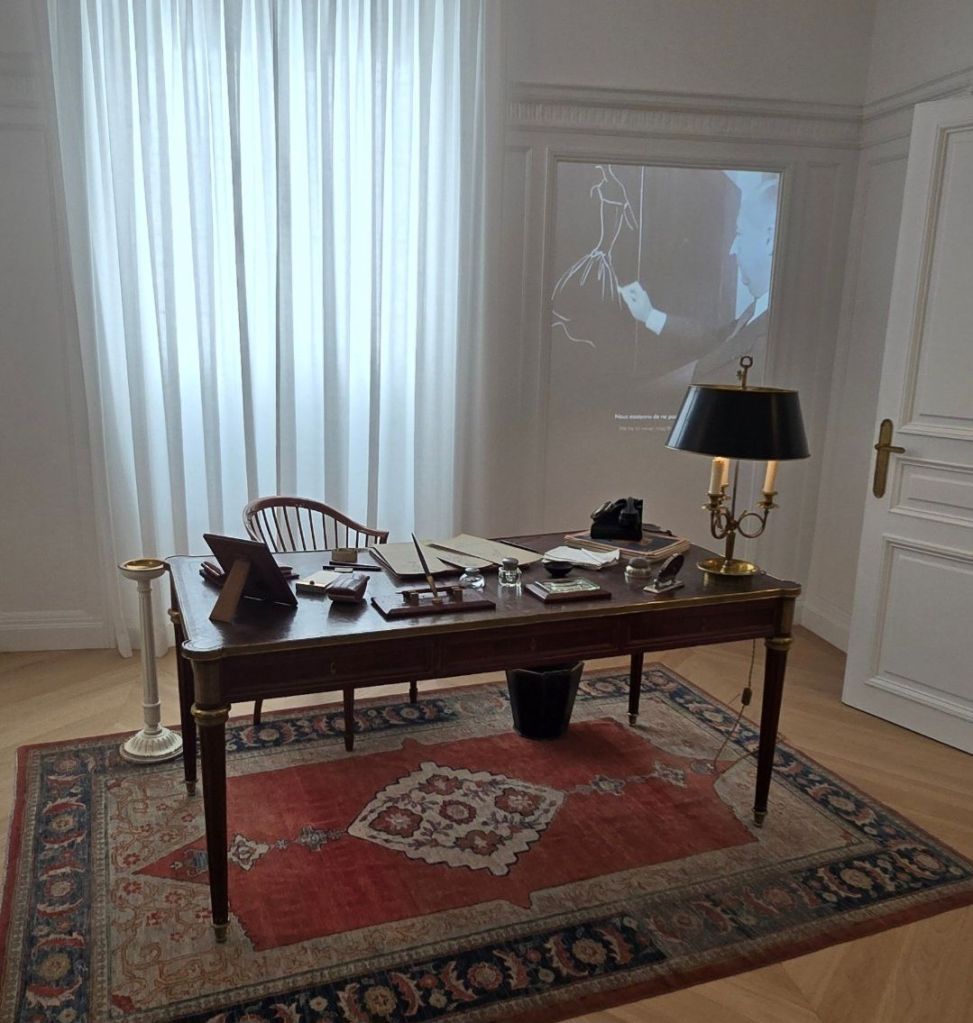
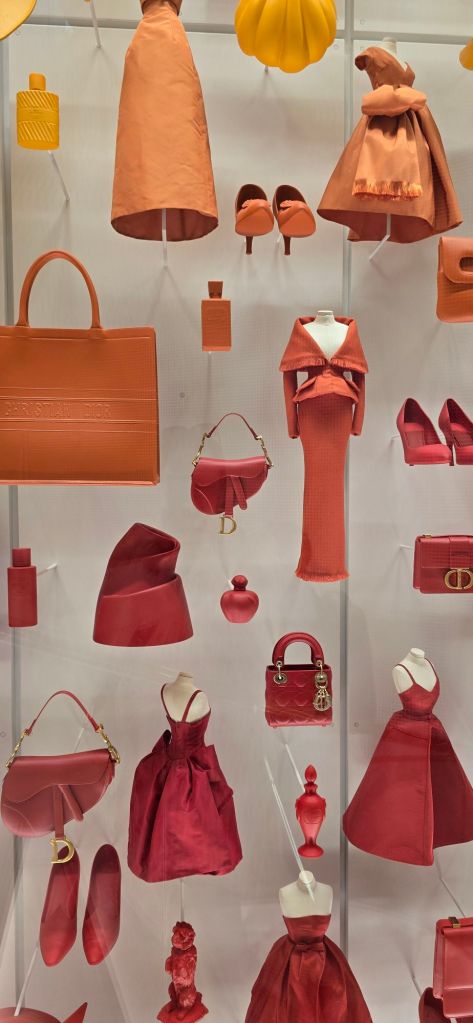
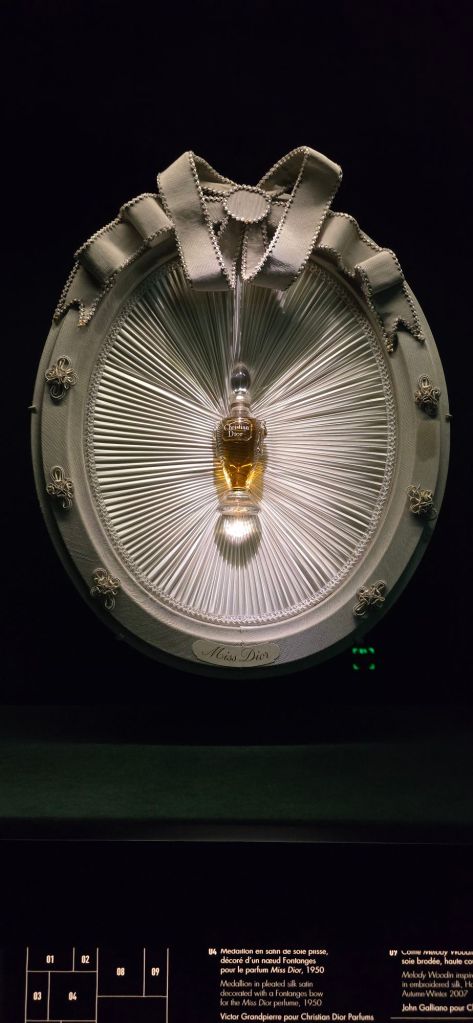
La Galerie Dior
Address: 11 Rue François-Ier, 75008 Paris
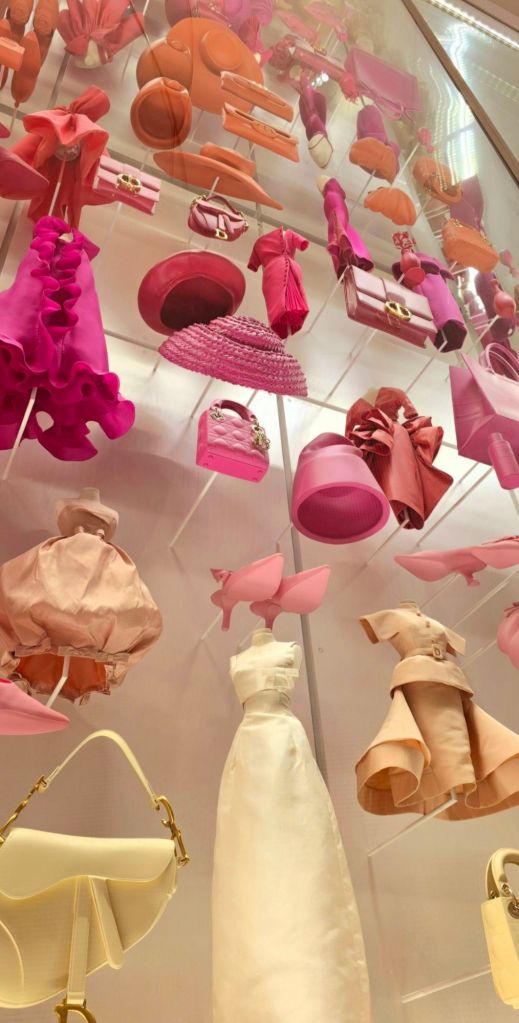
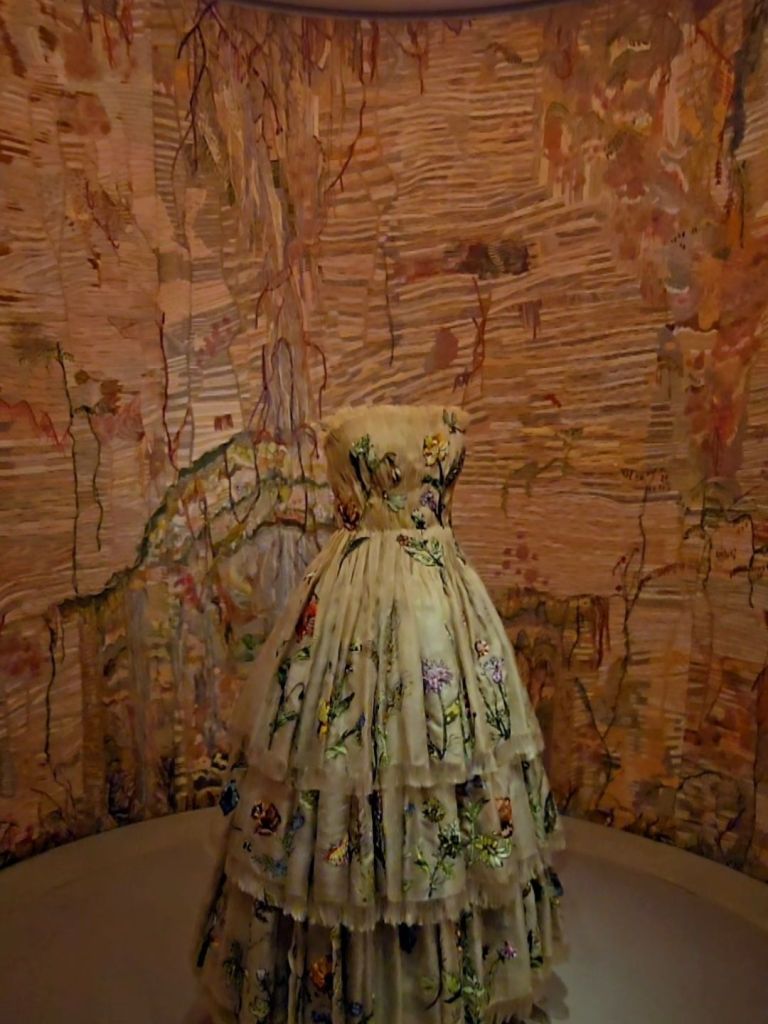
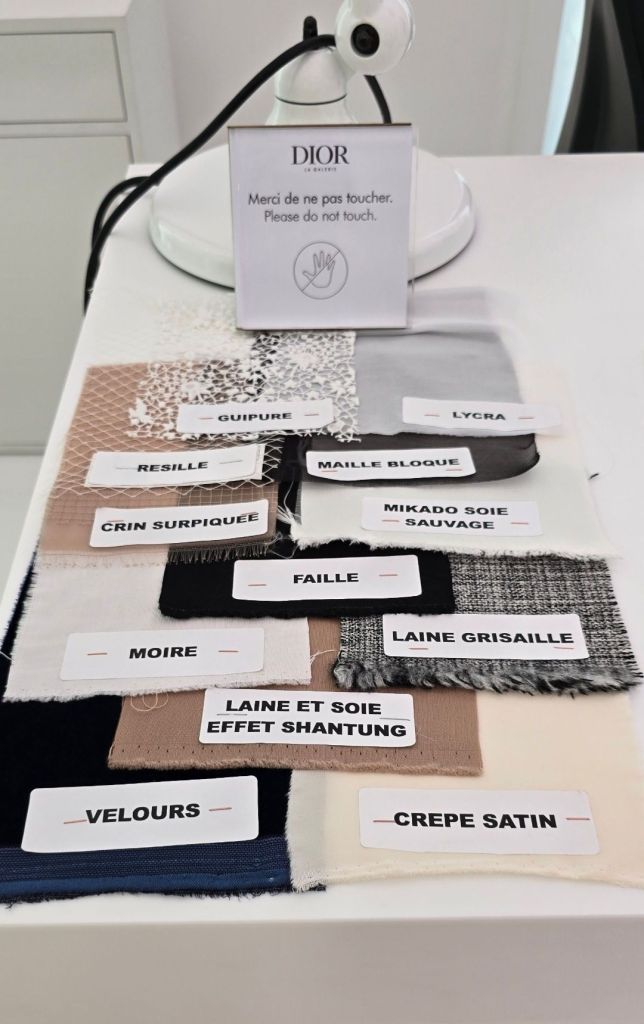
Located just steps from the original Dior boutique at 30 Avenue Montaigne, La Galerie Dior is a museum dedicated to the history, craftsmanship and cultural influence of the House of Dior. The museum opened in 2022 following a major renovation of the Dior headquarters and exhibition spaces. The gallery traces the evolution of the fashion house founded in 1946 by Christian Dior, whose first collection in 1947 introduced the revolutionary “New Look”, characterised by cinched waists, structured jackets and voluminous skirts. This silhouette helped redefine post-war fashion and re-established Paris as the global capital of haute couture.
Yves Saint Laurent – Dior’s young successor in the late 1950s.
John Galliano – known for theatrical couture collections.
Raf Simons – who modernised Dior’s minimal elegance.
Maria Grazia Chiuri – the current artistic director of Dior womenswear
The exhibition is designed as both a historical narrative and a visual spectacle.
The Dior Staircase: One of the most striking elements of the museum is its dramatic central staircase, where dozens of couture garments appear to cascade downward in a sculptural installation. These dresses represent iconic Dior designs across multiple decades, demonstrating the evolution of silhouette, embroidery and textile craftsmanship. The installation has become one of the most photographed interiors in Paris fashion culture.
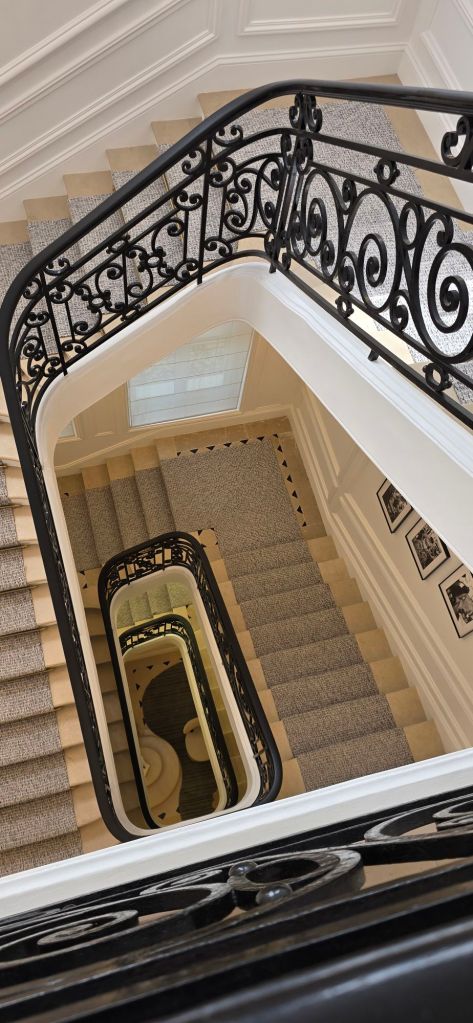
Dior at 30 Avenue Montaigne
Adjacent to the museum is the historic Dior boutique at 30 Avenue Montaigne, where Christian Dior presented his first couture collection in 1947. Today the building houses boutiques, exhibition rooms and Monsieur Dior, a refined restaurant located on the upper floor that overlooks the boutique courtyard. Visitors often combine a visit to the museum with browsing the flagship boutique and stopping for lunch or afternoon tea at Monsieur Dior
For anyone interested in fashion, design or cultural history, the gallery is one of the most compelling museum experiences in Paris.
Best times to visit:
Morning: 10:00–11:30 when visitor numbers are lower
Late Afternoon: After 16:00 when earlier tour groups begin to leave.
Advance ticket booking is recommended, as entry times are controlled to maintain a manageable number of visitors inside the galleries.
Hôtel de Crillon
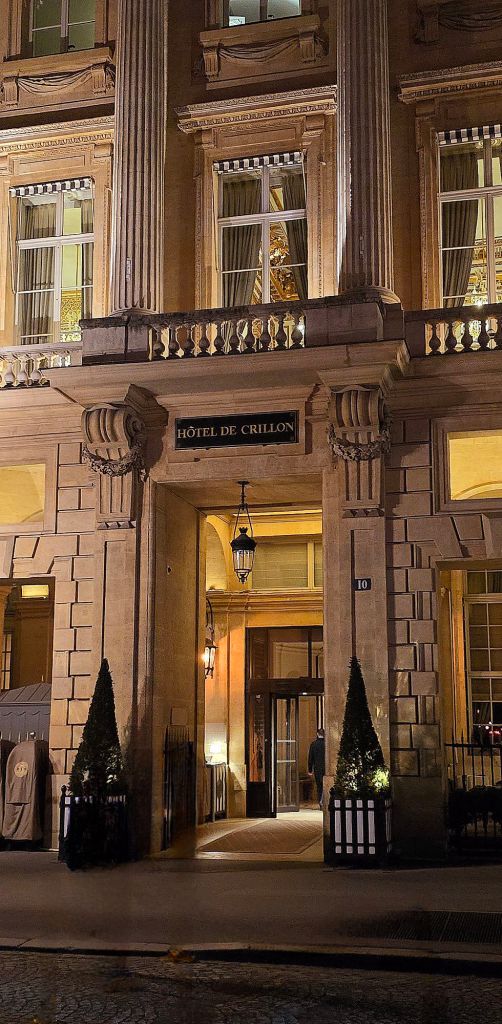
Address: 10 Place de la Concorde, 75008 Paris.
The building was commissioned by King Louis XV in 1758. In 1778 Benjamin Franklin signed the Franco-American Treaty of Alliance here, helping secure French support during the American Revolution.
The hotel opened in 1909 and was restored between 2013 and 2017.
Must do: Afternoon Tea — Jardin d’Hiver
Served beneath a glass roof in the hotel’s winter garden.
Best time: 15:00–17:00.
Avenue Montaigne — Couture Shopping
This avenue is the centre of Paris haute couture. Key boutiques include:
Dior
Address: 30 Avenue Montaigne
The original Dior boutique where the New Look collection debuted in 1947.
Chanel
Address:
Known for couture collections and heritage craftsmanship.
Maxim’s
3 Rue Royale, 75008 Paris
Located in the 8th arrondissement of Paris, Maxim’s is one of the most historically famous restaurants in Paris and an enduring symbol of the city’s Belle Époque dining culture. The restaurant opened in 1893 when a bistro owner named Maxime Gaillard transformed a small café into an elegant dining establishment. Within a few years it had become one of the most fashionable restaurants in Paris, attracting aristocrats, artists and international visitors.
Ambience & Interior
Maxim’s is renowned for its remarkably preserved Art Nouveau interior, which dates largely from the early 20th century. The dining rooms feature carved wooden panels, stained glass, gilded mirrors, painted ceilings, chandeliers and red velvet seating.
The design reflects the ornate decorative style that was popular in Paris around 1900 and remains one of the best surviving Art Nouveau restaurant interiors in the city.
Historical Patrons: During the Belle Époque and early 20th century, Maxim’s became a meeting place for high society. Notable guests included:
Jean Cocteau
Aristotle Onassis
Maria Callas
The restaurant was also popular with visiting royalty and international celebrities throughout the 20th century.
Maxim’s serves traditional French haute cuisine with a menu that typically includes dishes such as:
foie gras
lobster
classic French desserts and pâtisserie
The restaurant also offers afternoon tea and a champagne bar.
Best Time to Visit:
Lunch: 12:00–14:00 for a quieter experience.
Dinner: 19:30 onwards when the restaurant atmosphere becomes more lively.
Grand Palais
Avenue Winston Churchill, 75008 Paris
Constructed for the 1900 Exposition Universelle, the Grand Palais is one of the most striking examples of Beaux-Arts architecture in Paris. Its enormous glass roof covers an exhibition space known as the Nave, where major art exhibitions, fashion shows and cultural events are held.
Petit Palais
Avenue Winston Churchill, 75008 Paris
Located opposite the Grand Palais, this museum houses the Musée des Beaux-Arts de la Ville de Paris. The building itself is notable for its curved Beaux-Arts façade,
decorative mosaics and interior garden courtyard. Admission to the permanent collection is free.
Best time to visit: Mid-morning when galleries are quieter.
9th Arrondissement
Cultural Paris
Galeries Lafayette Haussman
Address: 40 Boulevard Haussmann, 75009 Paris
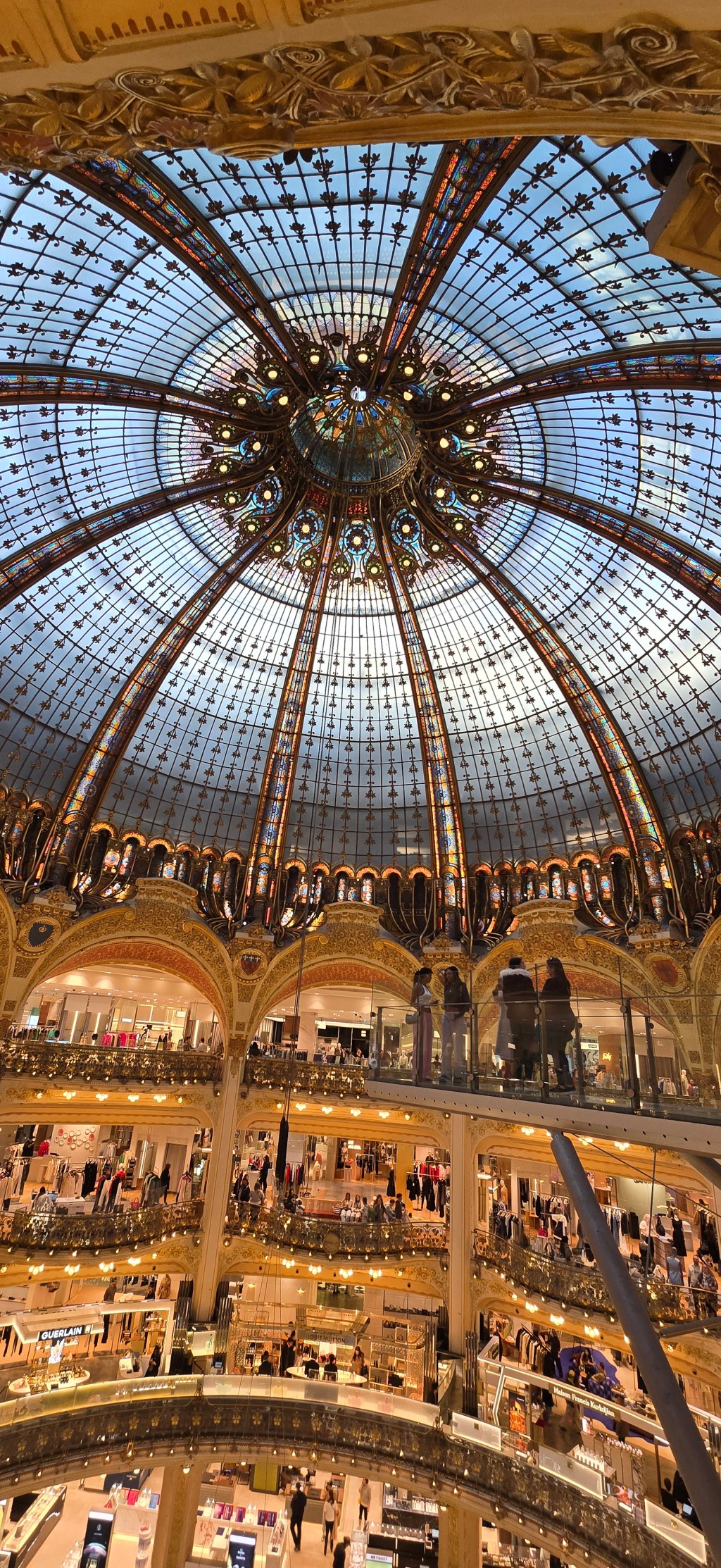
Located in the 9th arrondissement of Paris, Galeries Lafayette Haussmann is one of the most celebrated department stores in Europe and a landmark of Parisian retail culture. Founded in 1893 by cousins Théophile Bader and Alphonse Kahn, the store quickly became a symbol of modern Parisian shopping during the Belle Époque period.
The building itself is an architectural attraction. In 1912, architect Ferdinand Chanut designed the store’s spectacular stained-glass dome, which rises approximately 43 metres above the central hall. The dome’s coloured glass panels filter daylight into the store below, creating a luminous interior that has become one of the most recognisable retail spaces in Paris.
The store spans several buildings and more than 70,000 square metres of retail space, housing international fashion houses, French designers, beauty halls and accessories boutiques. The ground floor beneath the dome is often dedicated to seasonal displays and major fashion installations, reinforcing the store’s reputation as a centre of Parisian style.
One of the highlights of visiting Galeries Lafayette is the rooftop terrace, which is open to the public and offers panoramic views across the Paris skyline. From here visitors can see landmarks including the Eiffel Tower, the Palais Garnier, and the rooftops of the Haussmann boulevards.
During the holiday season the store is especially famous for its Christmas tree suspended beneath the dome, a tradition that has attracted visitors since the early 20th century.
Best Time to Visit:
Morning: 10:00–11:30 when the store first opens and before afternoon crowds arrive.
Late Afternoon: For visiting the rooftop terrace and enjoying views of the city as the light softens over the Paris skyline.
Palais Garnier
Address: Place de l’Opéra, 75009 Paris.
Completed in 1875 and designed by architect Charles Garnier. The opera house seats approximately 2,000 people and remains one of the most elaborate theatre interiors in Europe.
Beyond its role as an opera house, Palais Garnier is widely considered one of the most elaborate examples of Second Empire architecture in Europe. Designed by architect Charles Garnier and completed in 1875, the building was conceived as both a performance venue and a grand social stage for Parisian high society. Visitors enter through a monumental vestibule before ascending the famous Grand Escalier, a sweeping double staircase constructed from multiple coloured marbles and framed by gilded balustrades. This dramatic ascent was intentionally designed so guests could see and be seen — reflecting the importance of social display in 19th-century Paris.
Inside the auditorium, red velvet seating and gilded balconies surround a ceiling painted in 1964 by Marc Chagall, whose vivid modern artwork contrasts with the historic décor. Above the audience hangs a massive crystal chandelier weighing approximately seven tonnes.
Equally impressive is the Grand Foyer, a vast gallery lined with mirrors, chandeliers and gilded sculptures. Inspired by the Hall of Mirrors at Versailles, the space was intended for guests to stroll during intermissions while overlooking the illuminated boulevards of Paris.
Today the opera house remains one of the most photographed interiors in the city and continues to host ballet performances by the Paris Opera Ballet. Visitors can explore the building through guided tours or attend an evening performance to experience the theatre as it was originally intended.
16th Arrondissement
Quiet Cultural Paris.
The 16th arrondissement feels very different from central Paris. Rather than grand monuments or crowded boulevards, the district offers quiet residential streets, museums hidden inside historic houses, elegant cafés and large green spaces.
It is a part of Paris best experienced slowly — perhaps beginning with Monet’s paintings at the Musée Marmottan Monet, continuing to the Trocadéro for views of the Eiffel Tower, and ending with a walk through the tree-lined paths of the Bois de Boulogne.
Musée Marmottan Monet
Address: 2 Rue Louis Boilly, 75016 Paris
Houses Monet’s Impression, Sunrise (1872) — the painting that gave the Impressionist movement its name.
Trocadéro
Place du Trocadéro et du 11 Novembre, 75016 Paris.
The Trocadéro is one of the most famous viewpoints in Paris, located directly across the Seine from the Eiffel Tower. The terrace sits between the two curved wings of the Palais de Chaillot, built for the 1937 International Exposition. The gardens below — the Jardins du Trocadéro — feature large fountains that align visually with the Eiffel Tower.
Best time to visit: Early morning for photographs or sunset when the tower lights begin to sparkle.
Fondation Louis Vuitton
8 Avenue du Mahatma Gandhi, 75116 Paris.
Opened in 2014, this contemporary art museum was designed by architect Frank Gehry. The building sits within the Bois de Boulogne and is notable for its glass “sails” that appear to float above the structure.
The museum hosts major contemporary art exhibitions.
Best time to visit: Morning when galleries are quieter.
Bois de Boulogne
75016 Paris
One of the two great parks on the edge of Paris, covering more than 800 hectares.
Originally transformed into a public park in the 19th century under Napoleon III, it contains: lakes, walking paths, cycling routes, botanical gardens. The park also contains the Jardin d’Acclimatation, a historic children’s park first opened in 1860.
Best time to visit: Morning walks or late afternoon cycling.
Maison de Balzac
47 Rue Raynouard, 75016 Paris.
This small museum occupies the former residence of the novelist Honoré de Balzac, who lived here between 1840 and 1847.
The house overlooks the Seine and contains manuscripts, portraits and personal objects related to the author.
Best time to visit: Late morning or early afternoon.
Champs-Élysées & Arc de Triomphe — The Grand Axis of Paris
The Champs-Élysées and the Arc de Triomphe together form one of the most recognisable urban axes in the world.
The avenue stretches approximately 1.9 kilometres, linking Place de la Concorde to the Arc de Triomphe at Place Charles-de-Gaulle. Originally landscaped in the 17th century as an extension of the gardens of the Tuileries Garden, the avenue later developed into the ceremonial boulevard of Paris.
Arrondissements
The Champs-Élysées crosses two arrondissements: 1st arrondissement of Paris — at its eastern end near Place de la Concorde. 8th arrondissement of Paris — the majority of the avenue
At its western end the Arc de Triomphe stands at the centre of Place Charles-de-Gaulle, where three arrondissements meet: 8th arrondissement, 16th arrondissement of Paris, 17th arrondissement of Paris
Twelve major avenues radiate outward from this roundabout.
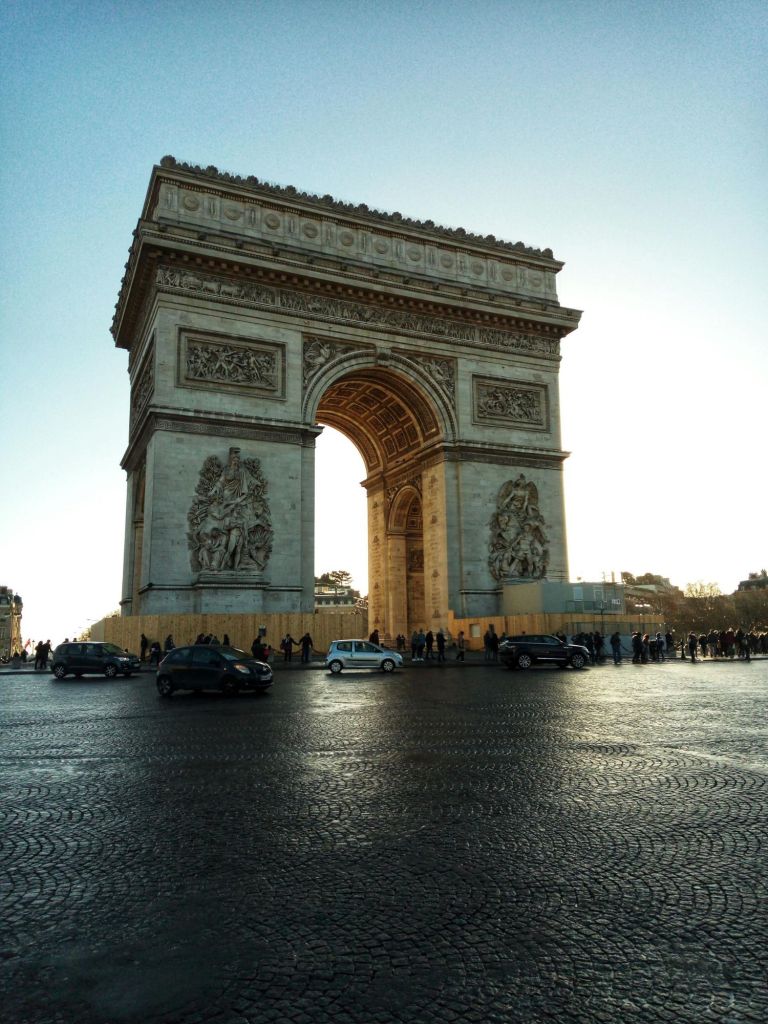
Arc de Triomphe
The Arc was commissioned in 1806 by Napoleon Bonaparte after his victory at the Battle of Austerlitz. Construction took nearly 30 years, and the monument was completed in 1836. The structure honours the French army, with the names of major military victories and generals engraved on its inner walls. Beneath the arch lies the Tomb of the Unknown Soldier, installed in 1921 to commemorate soldiers who died during World War I. An eternal flame is rekindled here each evening. Visitors can climb 284 steps to the viewing terrace at the top, which offers panoramic views across Paris and along the Champs-Élysées.
How To Structure Your Visit
Day 1- 1st + 7th arrondissement
Day 2 – 4th + 6th arrondissement
Day 3 – 8th + 9th arrondissement
Day 4 – 16th arrondissement and slower residential Paris.
Paris is not conquered. It is curated.
1
 thevelvetnotebook.com
Leave a comment